



Table of Contents
Ready to See Results?
From strategy through execution, Atlantic Health Strategies integrates compliance, operations, and growth into durable, measurable results. Let’s put our expertise to work for your organization.
Understanding Ohio’s Kratom Ban: Why This Emergency Rule Matters for Public Health
In December 2025, the Ohio Board of Pharmacy issued an emergency rule declaring that kratom-related products are now illegal to sell, distribute, or possess in the state. This sudden regulatory shift reflects growing concern among health officials about the safety risks associated with kratom products, particularly those containing potent derivatives and synthetics, and aims to protect Ohioans from an emerging drug-related harm trend.
This blog explains what kratom is, why state leaders acted, the rising evidence of harm and deaths linked to its use, and why the new rule represents a positive public health move.
What Is Kratom and Why Is It Controversial?

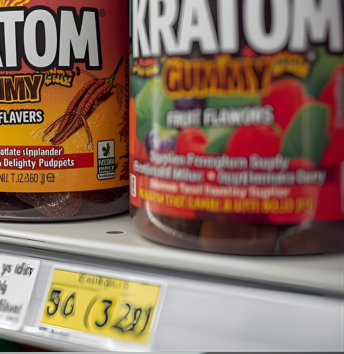
Kratom, a plant native to Southeast Asia, has been marketed in the U.S. as a “natural” supplement for pain relief, mood enhancement, anxiety management, and even opioid withdrawal support. Unregulated products derived from the Mitragyna speciosa plant are sold in forms such as powders, capsules, gummies, drinks, and vape liquids.
WFMJ
Despite claims of benefit, kratom is not approved by the U.S. Food and Drug Administration (FDA) for any therapeutic use. Scientific review indicates that kratom and especially some of its processed or synthetic compounds, such as 7-hydroxymitragynine (7-OH), interact with opioid receptors in the brain. These interactions can lead to effects similar to conventional opioids, including sedation, respiratory depression, addiction risk, and overdose danger.
This dual identity, an unregulated “herbal” supplement on the one hand, and an opioid-like psychoactive substance on the other, has driven intense debate among regulators, clinicians, and the public.
Rising Evidence of Harm and Deaths Linked to Kratom
One of the central reasons Ohio took emergency action is the documented rise in health risks associated with kratom products. Preliminary data from the Ohio Department of Health links kratom to more than 200 unintentional overdose deaths in the state between 2019 and 2024. National poison control centers reported 1,690 exposure cases involving kratom in the first seven months of 2025 alone, surpassing all of 2024.
These figures align with broader national concerns. The FDA has warned that products containing potent kratom derivatives like 7-OH can cause seizures, respiratory depression, psychosis, hallucinations, and in severe cases, death. Some exposures have also resulted in neonatal opioid withdrawal syndrome in newborns when expectant mothers used kratom.
Public health warnings underscore that unregulated manufacturing and distribution of kratom products — especially those with concentrated or synthetic alkaloids — pose a serious and escalating risk to consumers.
What Ohio’s Emergency Rule Does
The emergency rule enacted by the Ohio Board of Pharmacy makes all kratom-related products illegal under the Ohio Administrative Code, except for products composed solely of mitragynine (the primary natural alkaloid found in the plant). This includes powders, gummies, pills, drinks, and other forms that contain derivatives such as 7-OH, mitragynine pseudoindoxyl, and other chemically altered compounds.
Retailers and individuals are instructed to dispose of any banned products immediately. The rule is effective for 180 days and allows the Board of Pharmacy time to formalize a permanent regulation — a step that may include further restrictions or the addition of natural kratom components like mitragynine under controlled-substance scheduling.
This emergency action is part of a larger dialogue about how to regulate substances that blur the line between traditional herbal products and opioid-like drugs.
Why This Rule Is a Public Health Positive
Critics of kratom regulation often argue that the substance is a “natural” alternative to prescription opioids or that prohibition simply drives use underground. However, several factors support the Board’s decision:
1. Documented Public Health Risk. The spike in exposure cases and overdose deaths, especially linked to kratom derivatives with potent opioid receptor activity, suggests a risk profile that exceeds typical dietary supplements.
2. Lack of FDA Approval and Regulation. Kratom products are not vetted for safety, efficacy, or quality by the FDA. In the absence of regulation, consumers can’t know what they are ingesting or what dose they are exposed to.
3. Commercial Marketing Misleads Consumers. Many kratom products are packaged to resemble mainstream supplements or snacks, and they are often sold without age limits in convenience stores and gas stations. This marketing makes them appealing to youth and uninformed buyers.
4. Proactive Harm Reduction. Banning unauthorized kratom products gives public health authorities time to study the issue, gather expert testimony, and create tailored regulations based on empirical evidence rather than anecdote.
In this context, Ohio’s emergency rule is not just a prohibition; it’s a deliberate step toward creating a regulated environment where public safety can be better protected.
What Happens Next
The emergency rule remains in effect while the Ohio Board of Pharmacy considers permanent regulation. Possible outcomes include broader controlled-substance scheduling of kratom components, enhanced public education campaigns, stricter product-labeling requirements, and age-restricted sales frameworks.
Healthcare professionals and public safety advocates will continue to monitor trends in kratom use, toxicity, and related injuries or fatalities. For now, Ohio’s action reflects a data-driven response to a substance that has evolved from an unregulated herbal market into a complex public health challenge.
Understanding these developments helps communities, clinicians, and families make informed decisions and supports efforts to reduce preventable harm linked to unregulated psychoactive substances.