



Table of Contents
Ready to See Results?
From strategy through execution, Atlantic Health Strategies integrates compliance, operations, and growth into durable, measurable results. Let’s put our expertise to work for your organization.
The Short Answer: A National Operator Sees Patterns a Single-State Firm Cannot
Behavioral health executives should hire a consulting partner with national operating experience because residential and outpatient treatment is governed almost entirely by state law, and the rules do not crosswalk cleanly between jurisdictions. A policy set that passes a DCF survey in Florida will not necessarily satisfy HHSC in Texas, and a single bad assumption can cost a six-figure buildout and months of census ramp.
The fragmentation is not anecdotal. HHS-ASPE’s compendium on residential treatment puts it plainly: “Residential M/SUD treatment settings are governed almost exclusively by state statutes and regulations, rather than by federal laws.“ The same report documents that each state defines residential treatment differently and links its own Medicaid rules to those definitions, meaning the agency doing the inspecting, the survey window, and the standards being measured differ in every one of them.
That is the gap a national firm fills. At Atlantic Health Strategies we build licensure, accreditation, HR, IT, and compliance under one operational backbone, then carry that work across state lines without rewriting the playbook from scratch each time.
What a Single-State Consultant Misses: Florida vs. Texas
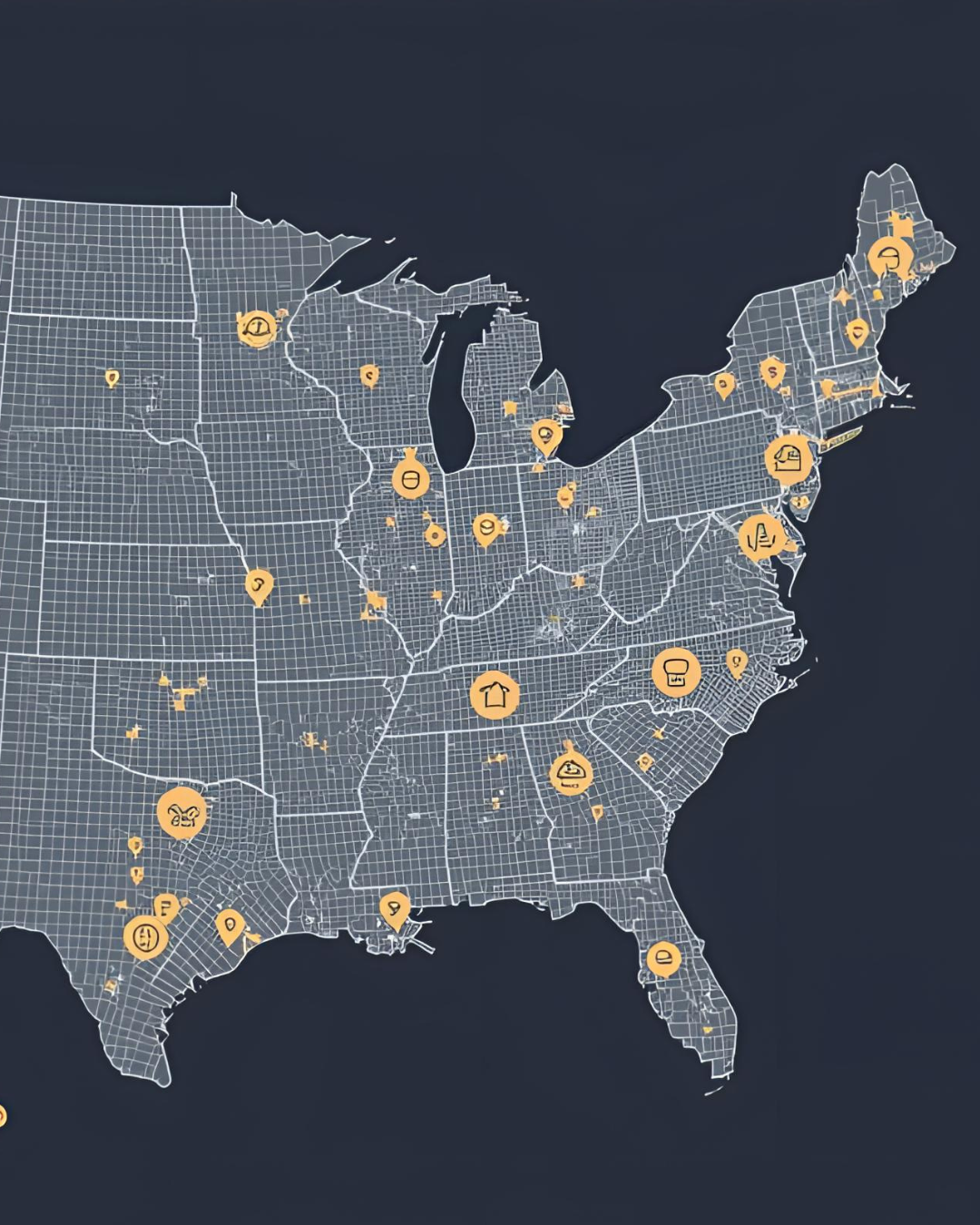
Florida and Texas are the cleanest example. In Florida, the Department of Children and Families licenses detox, residential, PHP (an outpatient level of care), and IOP for substance use disorder under Chapter 397, Florida Statutes and Rule 65D-30, F.A.C., while AHCA handles mental health facility licensure under Chapter 394. A program offering co-occurring care needs dual licensure.
Cross the border into Texas and the framework changes entirely. SUD facilities report to Texas HHSC, and the ASPE Texas summary confirms that residential detoxification may be prior authorized for up to 21 days, with the authorization period varying based on substances used, level of intoxication and withdrawal potential, and medical needs. Residential services may be prior authorized for up to 35 days per care episode, with a maximum of two episodes per rolling six-month period. Miss any of that, and the pro forma is wrong before the doors open.
A consultant who has only worked one of those states will not catch the staffing-ratio variance, the inspection cadence, or the Florida deemed-status quirk where accreditation by The Joint Commission, COA, or CARF drives DCF’s survey posture. Common failure patterns operators bring to AHS after a bad local engagement:
- Policy sets copied across states without proper crosswalks to 65D-30 or Texas Administrative Code Title 25
- Detox staffing models that meet one state’s minimums but violate another’s
- HR files that fail credentialing on payer audit because the consultant never built to commercial payer or Medicaid standards
- IT controls that ignore the 2024 Part 2 Final Rule and the new breach-notification obligations
- Pro formas built on census assumptions that ignore state UM and authorization caps
None of that shows up in a generic policy template. It shows up in findings.
The Federal Layer Most Local Firms Underestimate
Even operators who get the state piece right routinely underestimate the federal enforcement layer. Two examples belong on every CEO’s desk.
First, 42 CFR Part 2. HHS finalized major modifications in February 2024. Per HHS, entities and persons subject to the regulation must comply with all applicable requirements beginning February 16, 2026. On February 13, 2026, HHS’s Office for Civil Rights announced a new civil enforcement program focused on protecting the confidentiality of SUD patient records under Part 2, and OCR now has the ability to investigate violations, impose corrective action plans, administer civil monetary penalties, and enter into resolution agreements. The 2024 Final Rule replaced Part 2’s old criminal-only regime with the HIPAA enforcement framework, which means civil penalties now range from $141 to $2.1 million per violation, adjusted annually for inflation. If your EMR, consent forms, and patient notices still look like they did in 2023, you have a problem.
Second, the False Claims Act. DOJ reported that of the more than $6.8 billion in False Claims Act settlements and judgments reported this past fiscal year, over $5.7 billion related to matters that involved the health care industry. Deputy Attorney General Todd Blanche framed it directly: “Stopping rampant fraud is a top priority, and this record-breaking year proves the False Claims Act remains one of the government’s most powerful weapons against fraud.“ That FY 2025 total is the highest single-year recovery in the statute’s history, and whistleblowers filed 1,297 qui tam lawsuits, another record. Behavioral health sits squarely in the crosshairs.
This is not technical drift. It is an operational and compliance failure pattern that a national operator builds against from day one.
What Defines a Nationwide Behavioral Health Consulting Firm Worth Hiring
The SAMHSA universe is large enough that national pattern recognition is a real asset, not a marketing line. According to SAMHSA, the 2024 N-SUMHSS annual report includes data from 21,205 eligible substance use and mental health facilities across the U.S. And its territories, with an overall response rate among eligible facilities of 90.4%. That is the population any credible national firm needs to understand.
A firm worth hiring should bring:
- Multi-state licensure volume, not one-off applications. Consultants develop pattern recognition by doing this dozens of times in Florida, Texas, Tennessee, Colorado, Arizona, and other states with active behavioral health markets.
- Mock survey discipline. An operator worth the retainer runs an EOC tour and a mock survey before the surveyor walks in, not after the finding.
- Integrated HR, IT, and compliance. Staff file audits, credentialing workflows, payer readiness, and Part 2-compliant EMR controls cannot live in four different vendors.
- Operational accountability after the license is issued. Most consultants disappear after submission. An MSO-level partner stays.
AHS does not work in California or New York and does not provide ABA or autism services. Within our footprint, our clients are treatment programs, mental health clinics, and multi-site operators whose clinical leaders focus on care delivery while we run the operational backbone.
The Bottom Line: Choose Based on Operating Range, Not Proximity
Behavioral health is one of the most heavily regulated sectors in healthcare, and the cost of choosing a local generalist usually shows up at the worst possible time: a state finding, a denied Medicaid claim batch, a payer SIU audit, or an OCR Part 2 complaint.
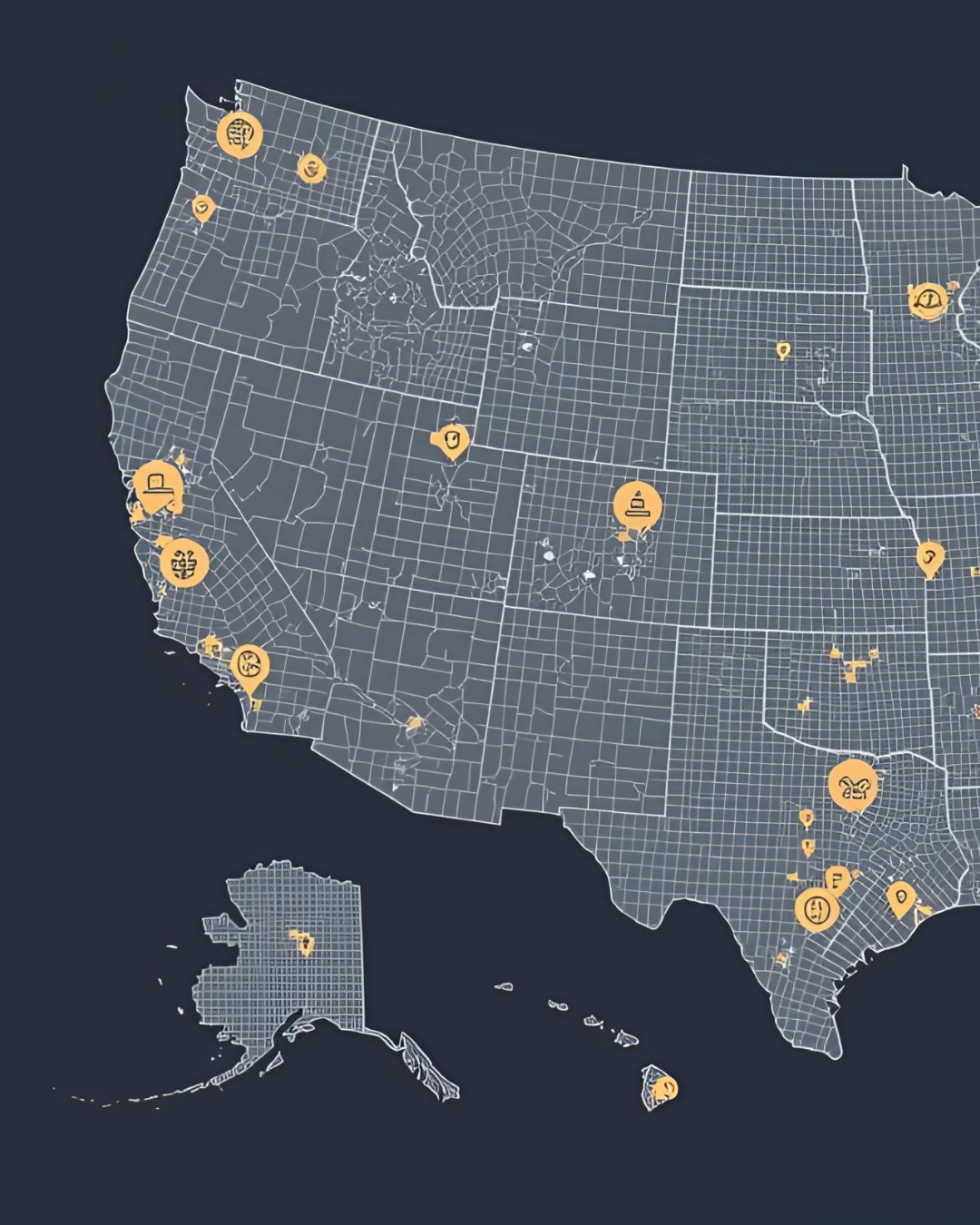
When CEOs and founders evaluate a behavioral health consulting partner, the right test is operating range, not zip code. A firm whose team has built programs across Florida DCF, Texas HHSC, Arizona AHCCCS, Colorado BHA, and Tennessee TDMHSAS will catch what a single-state advisor will not. That is the standard our clients hire AHS to meet, and we hold ourselves to it on every engagement.
Frequently asked questions
Why can’t a single-state behavioral health consultant just adapt their playbook to a new state?
Because behavioral health licensure is state-built and state-enforced. HHS-ASPE states that residential M/SUD settings are governed almost exclusively by state statutes and regulations rather than federal law, and each state defines facility types, staffing, and Medicaid rules differently. Florida licenses SUD services through DCF under Chapter 397 and Rule 65D-30, while Texas SUD facilities report to Texas HHSC and follow Texas Administrative Code Title 25. A policy set written for one will fail in the other.
What is the 42 CFR Part 2 compliance deadline and who enforces it?
HHS published the Part 2 Final Rule in February 2024, and per HHS, entities subject to the regulation had to comply with all applicable requirements beginning February 16, 2026. HHS’s Office for Civil Rights announced its civil enforcement program on February 13, 2026 and began accepting complaints and SUD breach notifications on February 16, 2026. OCR now has authority to investigate, enter resolution agreements, impose corrective action plans, and assess civil monetary penalties aligned with the HIPAA framework, with civil penalties ranging from $141 to $2.1 million per violation.
How real is False Claims Act exposure for behavioral health operators?
Very real, and getting bigger. DOJ reported that FY 2025 produced more than $6.8 billion in False Claims Act settlements and judgments, the highest single-year total in the statute’s history, with over $5.7 billion tied to the health care industry. Whistleblowers filed a record 1,297 qui tam lawsuits that year. Behavioral health programs without disciplined billing, medical-necessity documentation, and Anti-Kickback Statute controls are operating with their eyes closed.
What does AHS not do?
AHS does not operate in or license facilities in California or New York, and we do not provide ABA or autism services. Our footprint is multi-state behavioral health, mental health, SUD, eating disorders, and psychiatric care, with licensure, accreditation, HR, IT, and compliance built under one operational backbone.
References
- HHS-ASPE, State Residential Treatment for Behavioral Health Conditions: Regulation and Policy Compendium
- HHS Office for Civil Rights, Civil Enforcement Program for Confidentiality of SUD Patient Records (Feb. 13, 2026)
- HHS.gov, Understanding Confidentiality of Substance Use Disorder (SUD) Patient Records or “Part 2”
- Woods Rogers, Compliance Deadline Approaches for 42 CFR Part 2 Amendments: Enhanced Penalties and Enforcement Process
- U.S. Department of Justice, False Claims Act Settlements and Judgments Exceed $6.8B in Fiscal Year 2025
- SAMHSA, 2024 National Substance Use and Mental Health Services Survey (N-SUMHSS) Release
- Feldesman, OCR Announces Part 2 Confidentiality Enforcement Program